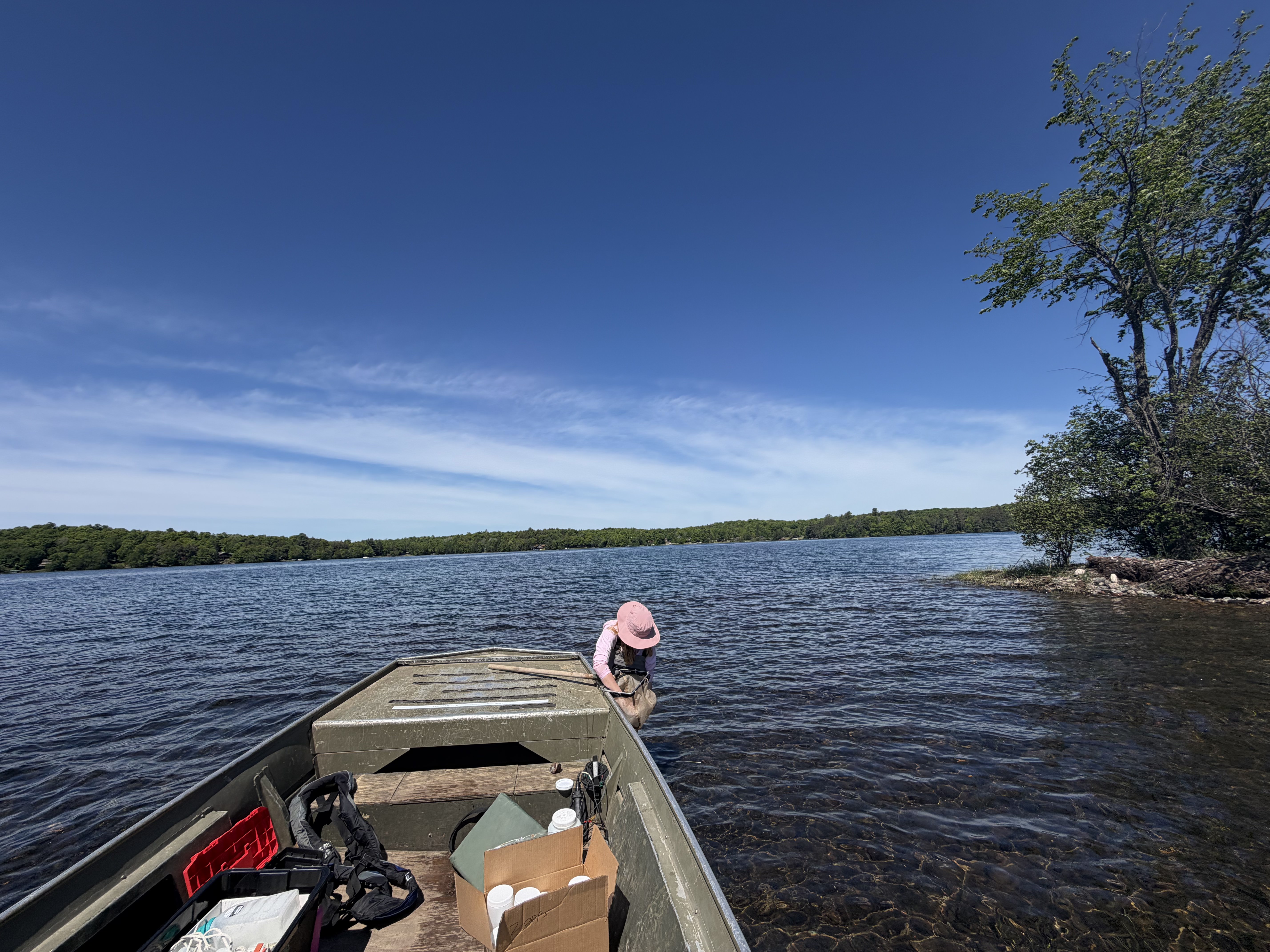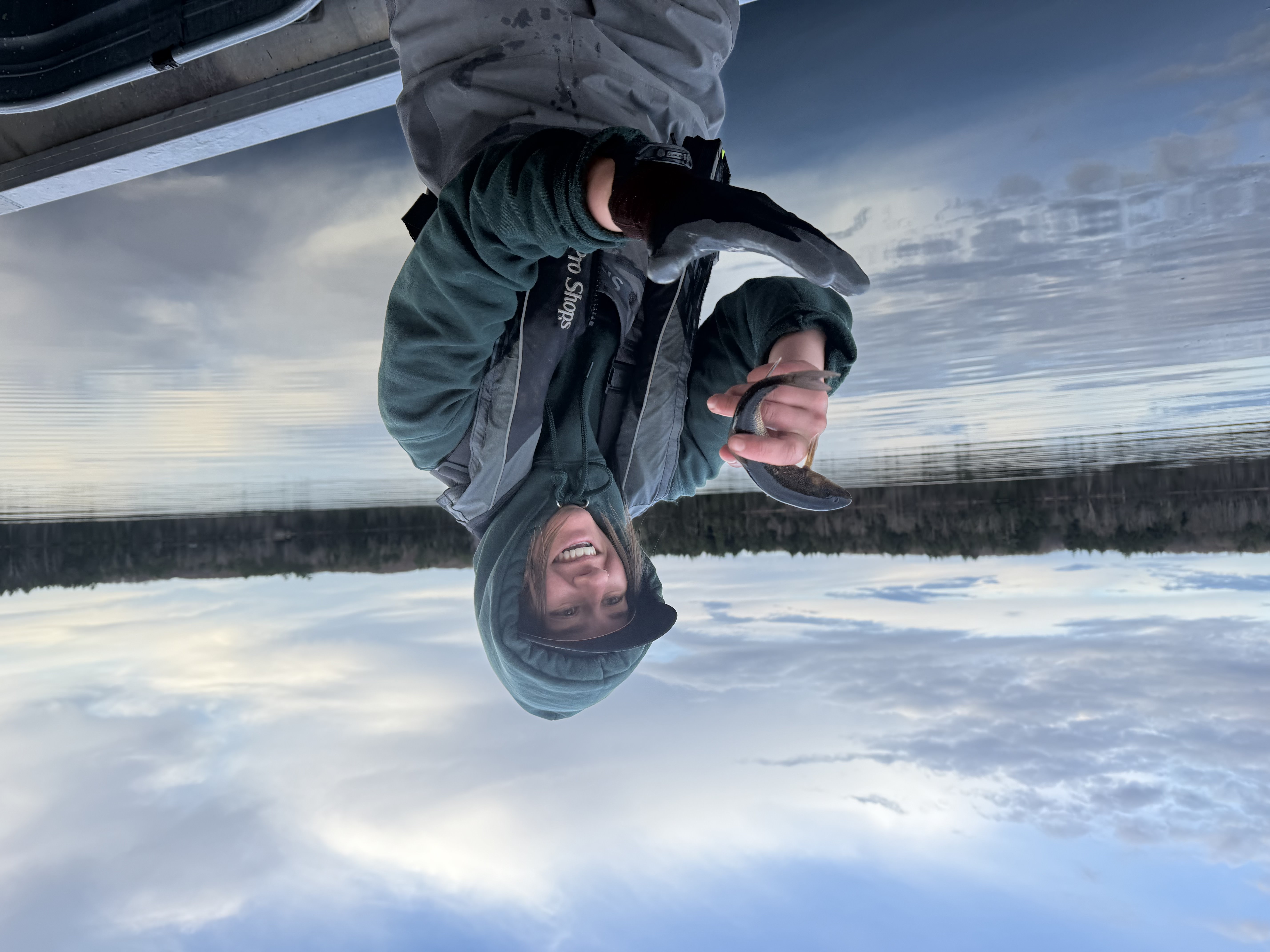
I began my PhD studies in the spring of 2026 via the Center for Limnology at UW-Madison. I am co-advised by Dr. Zach Feiner and Dr. Jake Vander Zanden at UW-Madison and Dr. Greg Sass with the WIDNR- Office of Applied Science. We are studying the effects of a spawning reef on Franklin Lake, WI, as well as assessing other whole-ecosystem factors that may be contributing to walleye recruitment trends across the region. This project is a large collaborative effort among WI DNR – Office of Applied Science, WI DNR- Fisheries Management, Sokaogon Chippewa Community, U.S. Forest Service, Great Lakes Indian Fish and Wildlife Commission, and UW- Madison Center for Limnology.
Below you will find summaries of the fieldwork we have completed so far!
Setting the Stage for Fish Community Rehabilitation
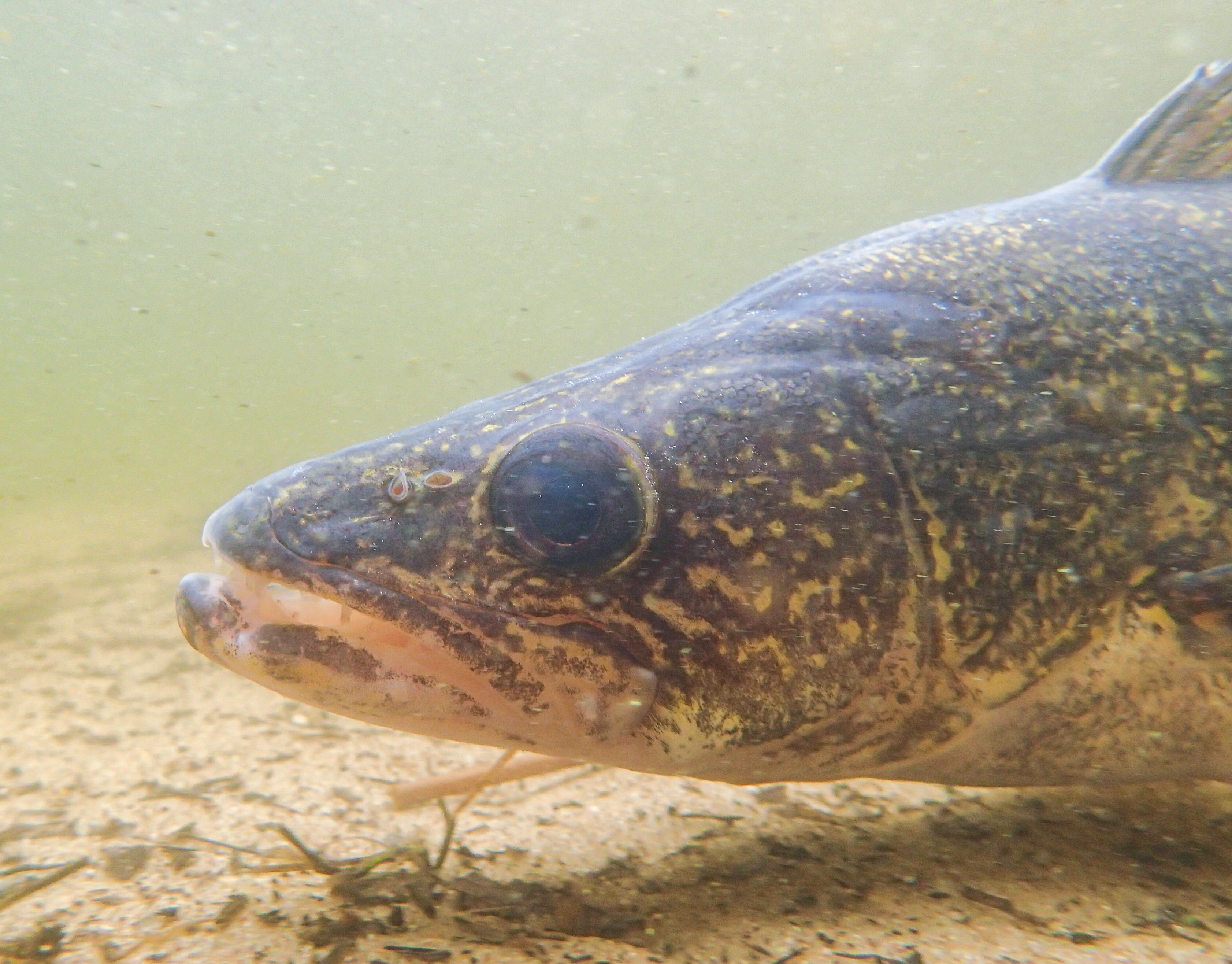
Walleye/ogaa (Sander vitreus) are an essential component of the socioecological system in the Ceded Territories of Wisconsin, Michigan, and Minnesota. Their populations have steadily declined since the 1980’s and attempts to reverse this trend have shown mixed success. Walleye rehabilitation projects that integrate multiple techniques, such as combining stocking of extended-growth fingerlings with harvest reductions, and engaging partners early in the planning process tend to be most effective. Many projects seek to resolve the loss of consistent natural recruitment, which has been a major limiting factor in walleye recovery efforts. Where spawning habitat is limited, nearshore artificial gravel reefs have been constructed at depths suitable for walleye reproduction. However, few reef projects are rigorously monitored before and after installation and often do not include assessments of the fish community. Our project represents an opportunity to address a key knowledge gap in walleye rehabilitation.
Franklin lake (Forest County, WI) historically had high natural recruitment and a robust adult population of walleye but has severely declined. A lack of drought resilient spawning habitat has been identified as a key limitation to walleye success and a reef addition is scheduled for winter of 2027. Appealing characteristics of this system are the proximity of nearby Butternut Lake to serve as a control, the ongoing collaboration of federal, tribal, and state agencies in prior rehabilitation efforts (e.g., stocking and harvest restriction), and both lakes have extensive pre-reef sampling histories. Furthermore, both lakes support populations of rare inland lake whitefish which may also benefit from a spawning reef. Thus, this project offers a unique opportunity to evaluate the effectiveness of artificial reefs while addressing the common shortcomings identified in prior walleye rehabilitation projects.
Our objective is to evaluate the whole-lake ecological and social effects of a spawning reef addition in Franklin Lake, with a focus on identifying habitat and fish community factors (e.g., competition and forage availability) that influence walleye recruitment and recovery. Results will inform the efficacy of artificial reefs as a walleye rehabilitation tool and support decision-making to sustain tribal food security, angler opportunity, and long-term ecological productivity and resilience.
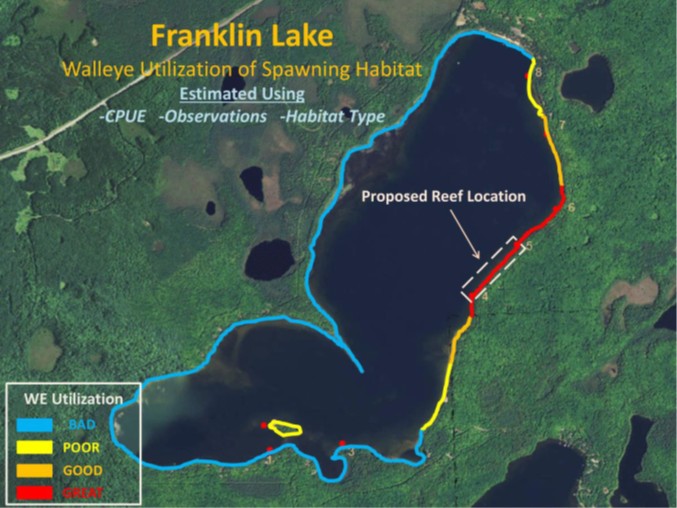
Franklin Lake Walleye Spawning Locations 2026
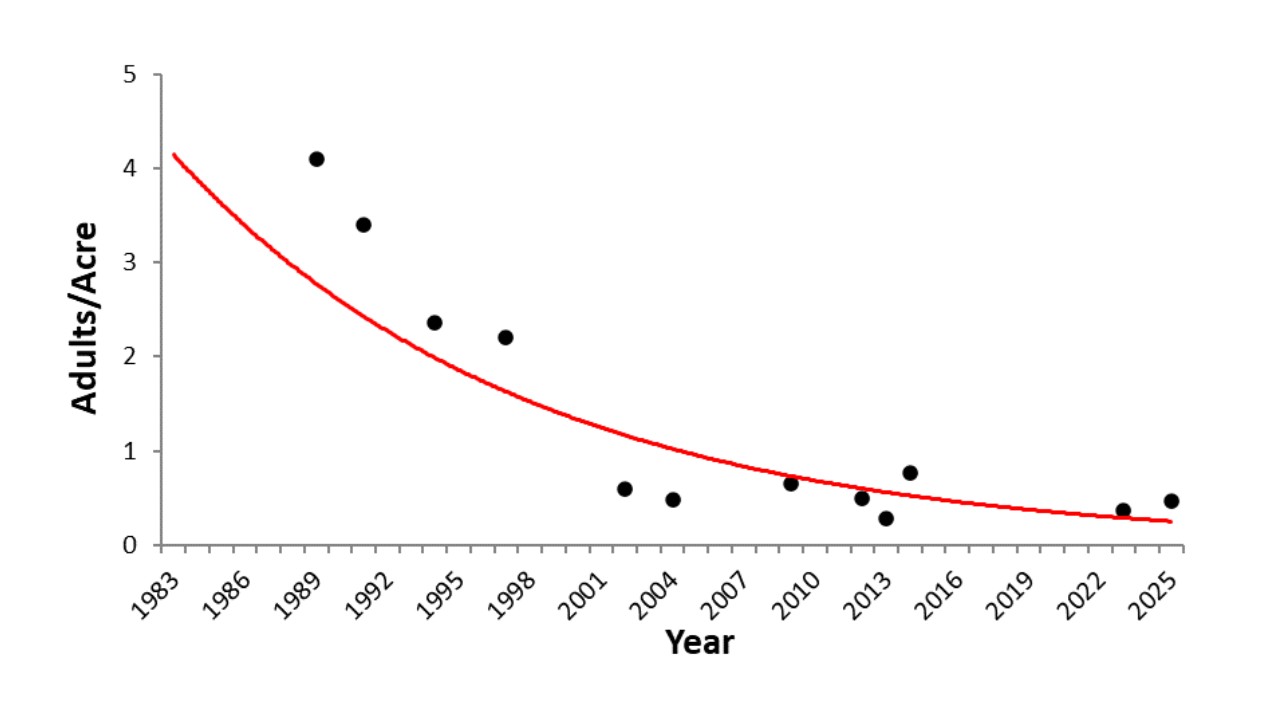
A proposed factor limiting walleye recruitment in Franklin Lake is the lack of drought-resistant spawning habitat. Much of the preferred spawning habitat for walleye (e.g., layered cobble on a windswept shoreline) occurs immediately adjacent to shore, is limited to only a few sections of shoreline, and becomes dewatered during low-water years. As a seepage lake with limited groundwater inputs, Franklin Lake is particularly vulnerable to water level fluctuations. During the prolonged drought of the early to mid-2000s, lake levels dropped approximately 2–3 feet. This period coincided with the most pronounced declines in both adult and age-0 walleye abundance (Figure 1).
To mitigate the lack of spawning habitat during low-water years, construction of an artificial spawning reef has been proposed and approved. During the winter, cobble will be transported from a nearby gravel pit and placed on the ice so that, as the ice weakens and breaks under the weight, the cobble settles along the 5–6 ft depth contour. During years with normal or high water levels, the reef will augment existing spawning habitat. During low-water years, it could replace habitat that is no longer underwater.
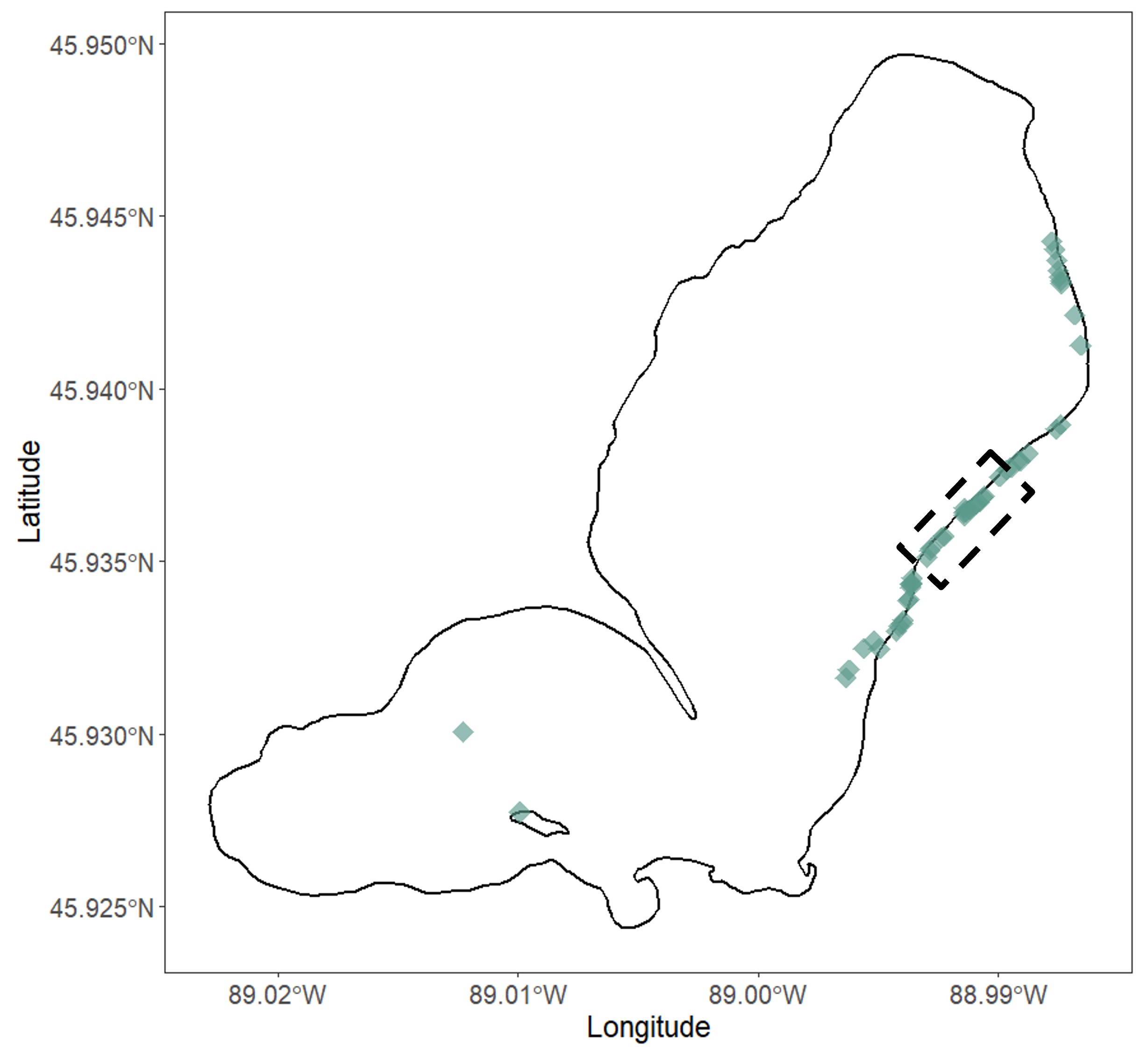
Based on walleye catch rates and habitat observations, the proposed reef location is along the eastern shoreline, which is hypothesized to support the majority of walleye spawning activity in the lake (Figure 2). However, walleye are also frequently observed around the island and rock humps in the southern portion of the lake, and it is unclear how important these areas are for spawning. To better understand current spawning locations and help refine the final reef placement, we conducted an ovipositor tagging study during the spring of 2026.
Methods
In late April, we set eight fyke nets in Franklin Lake in locations that both maximized walleye catch rates and ensured representation of the entire lake potential spawning habitat. The primary objective was to capture prespawn female walleye.
Walleye spawn immediately after ice-out but are not necessarily ready to release their eggs right away. Spawning is likely triggered by a combination of photoperiod, water temperature, and schooling activity by males. In this pre-spawn state, the muscles surrounding the oviduct ("vent") remain tight, allowing us to insert small radio transmitters (ovipositor tags) into the oviduct. The tags are then retained until the female spawns and releases both her eggs and the tag. Females that were already ripe released the tags too easily and therefore were not suitable for this study.
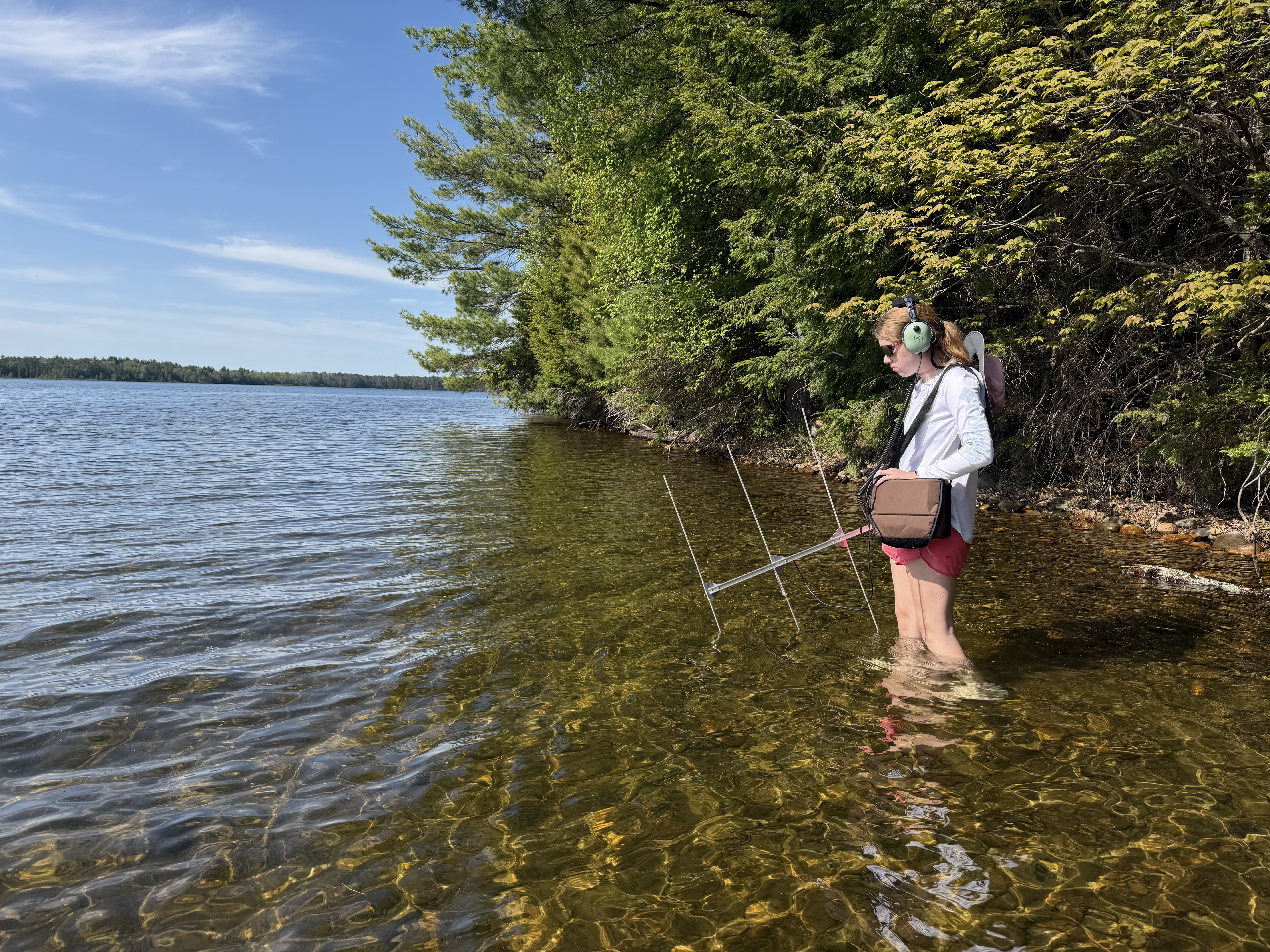
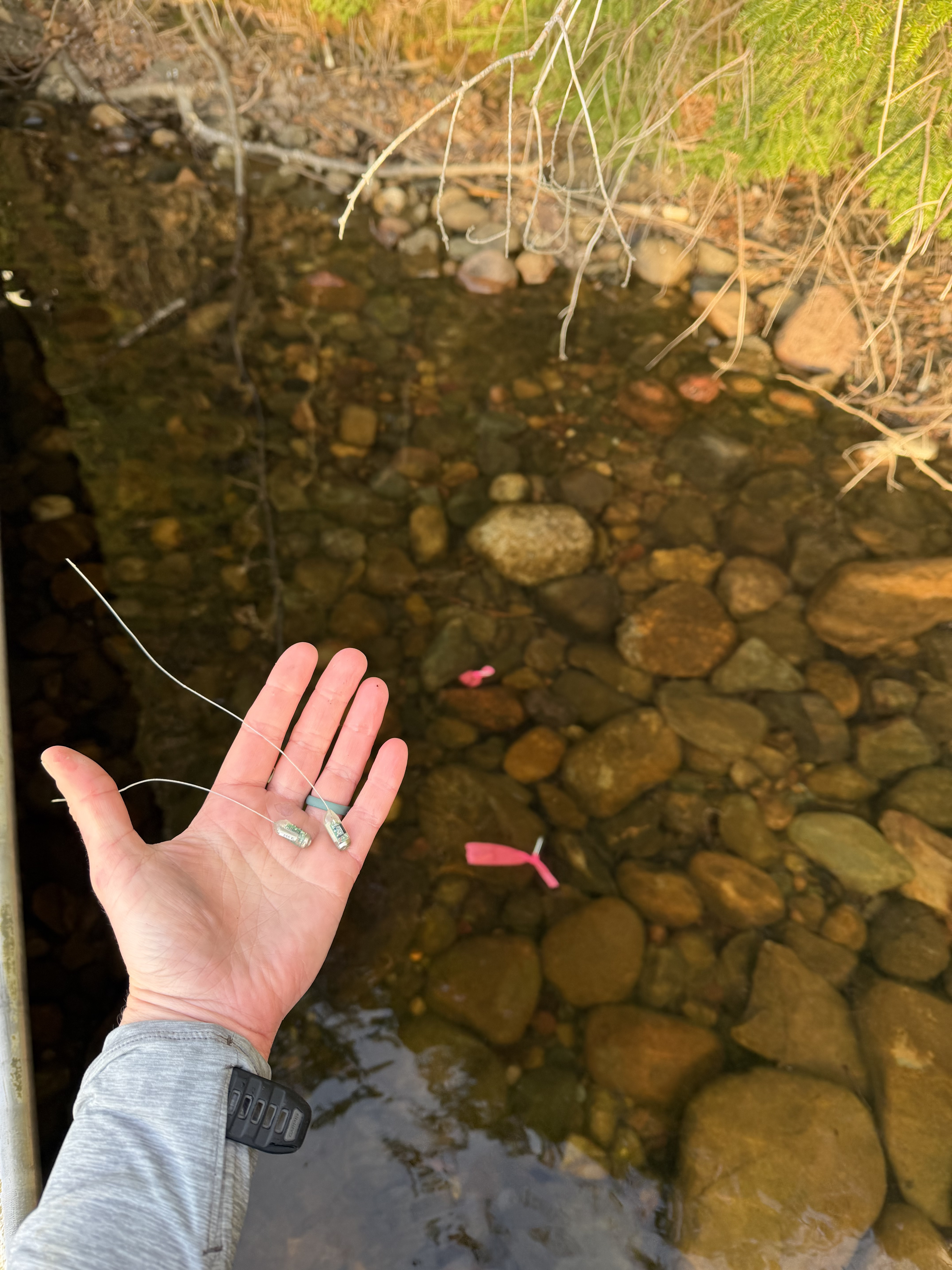
Ovipositor tags are small radio transmitters (~0.75 inches long and 0.3 inches in diameter) (Figure 4). Each transmitter broadcasts a unique radio frequency that can be detected using a receiver and antenna. When the receiver is tuned to a specific tag, it detects the signal as a series of faint beeps that become louder as the receiver gets closer to the tag (Figure 3).
Fish from each fyke net were processed separately. All walleye were sexed, measured for total length and weight, aged using dorsal spine samples, and marked with uniquely numbered Floy tags. Prespawn females also received an ovipositor tag. All fish were released at the lake's deep hole to standardize release locations. Once all 50 ovipositor tags had been deployed, we removed the fyke nets.
We began tracking tags in early May and concluded the study in late May when the tag batteries expired. Each time a tag was located, we recorded a precise GPS location, measured water depth, and marked the location with a stake and pink flagging tape so a detailed habitat assessment could be conducted later in the summer (Figure 4).
Results
We successfully located all 50 deployed tags and physically recovered 45 of them, for a 90% recovery rate (Figure 5). The majority of the tags were found along the eastern shoreline in the rocky cobble that was hypothesized to be the primary spawning habitat. Many were buried beneath multiple layers of cobble, with only the antenna visible above the rocks. Some tags were found near the northern and southern margins of the cobble bed where the substrate transitioned to sand and the cobble became sparser and more embedded. Franklin Lake is approximately 75% sand, and several of these tags had been washed completely out of the cobble. Based on walleye catch rates and habitat observations, these transition areas were thought to provide only marginal spawning habitat, and the tagging results support that hypothesis.
Only two tags were found in the southern portion of the lake near the island and rock humps, indicating that these areas are not heavily used for spawning despite the presence of adult walleye. Spawning occurred extremely close to shore with approximately 64% of recovered tags located in 6 inches of water or less.
Conclusions
Our study indicates that the preferred spawning habitat of walleye is limited and is extremely vulnerable to water level fluctuations. Spawning activity was concentrated along the eastern shoreline, and very little occurred around the island or southern rock humps. These findings tentatively support the proposed location of the artificial spawning reef, but additional analysis of the tag locations will be done to further optimize the final reef placement.
During the summer of 2026, we will conduct a quantitative habitat assessment at each tag location to determine how substrate characteristics such as cobble size, embeddedness, and rock layer depth, influence spawning site selection. These results will help refine the final design and placement of the spawning reef.
Sportfish Surveys 2026
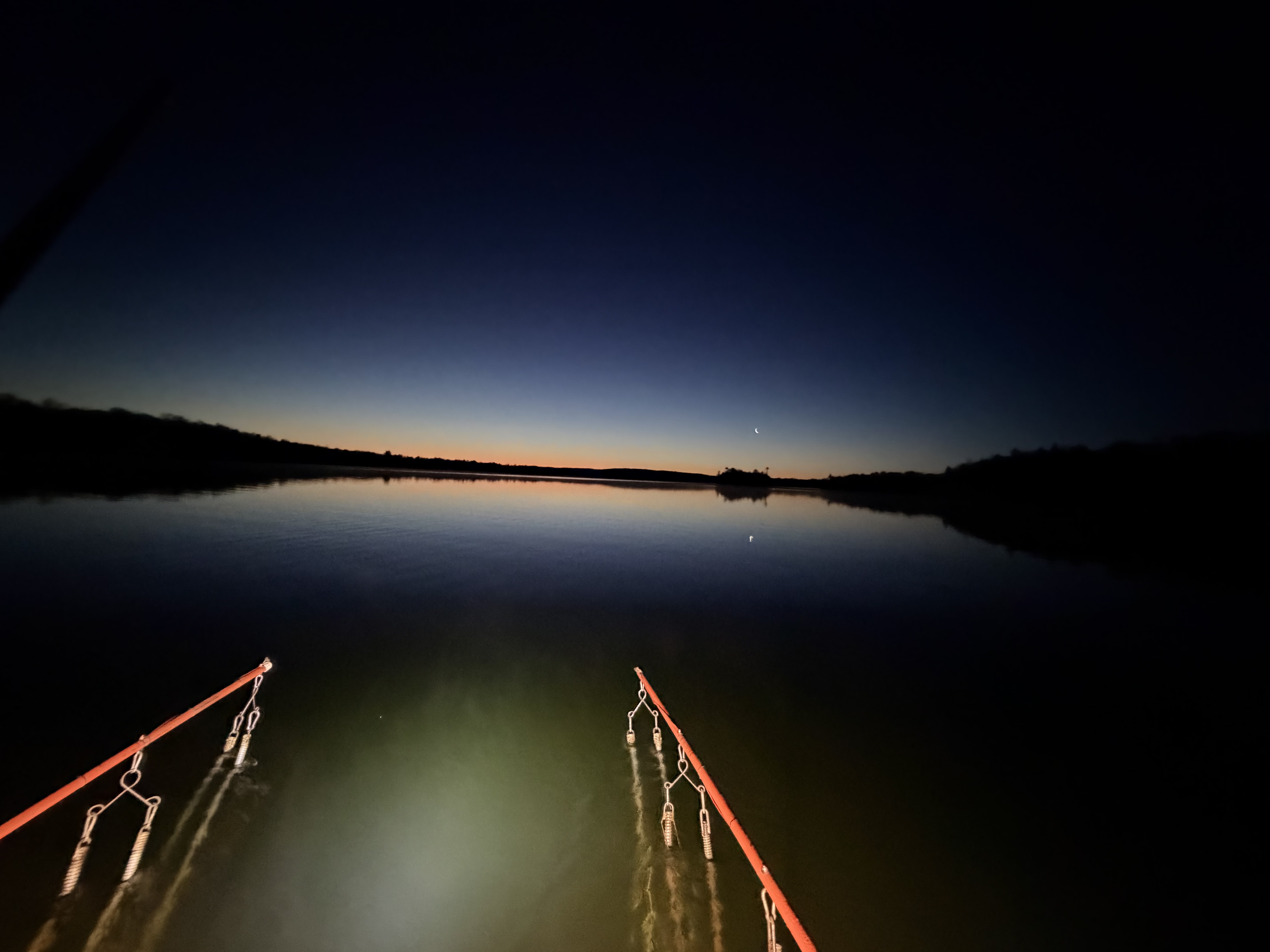
Changes in fish communities have been implicated in walleye declines across Northern Wisconsin. To understand how the dynamics of other sportfish (e.g., northern pike, walleye, smallmouth & largemouth bass) in Franklin and Butternut lakes could impact walleye, we conducted fyke net and electrofishing surveys in the spring.
We conducted a comprehensive survey on Butternut to calculate population estimates on all major sportfish. The ovipositor tracking study precluded us from doing a comprehensive survey on walleye or northern pike in Franklin because the nets needed to be pulled out to not disturb females with the radio tags and cause them to be release prematurely. We were also unable to do a full survey on bass because we did not want to disturb any radio tags that had been released. We obtained some catch and effort data in 2026, but a full comprehensive survey was done on Franklin in 2025.
Butternut Lake
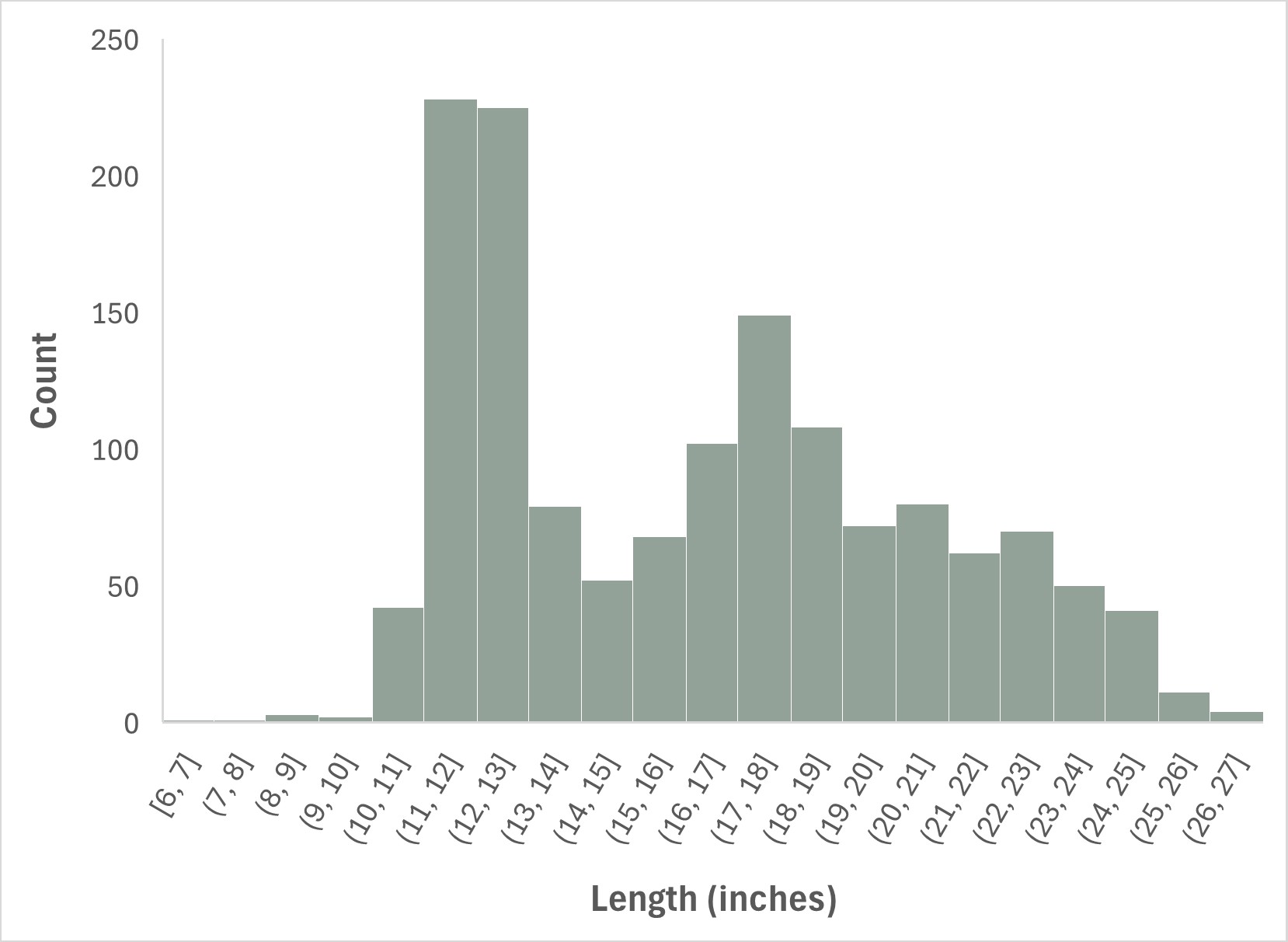
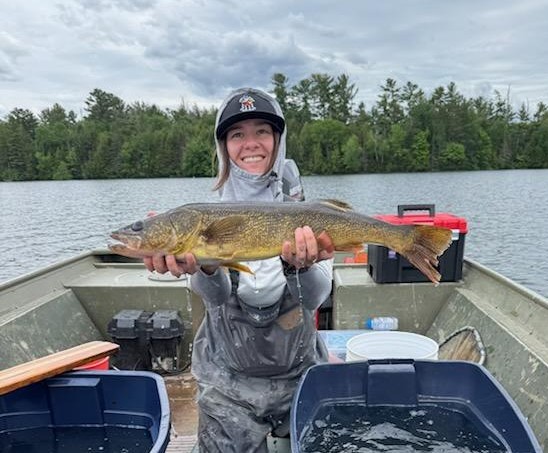
We fyke netted in Butternut in late April, and conducted bass electrofishing in early May. In Butternut, we estimated the walleye density was 2.1/acre and the average length was 16.9" (max 26.8") (Figure 1). We handled 1608 walleye in this survey and floy tagged 1373 fish. The smallmouth bass density was 2.4/acre and the average length was ~17.5" (max 20.4"). We did not capture enough largemouth bass or northern pike to estimate density with confidence, but we assume that relative abundance is low.
Franklin Lake
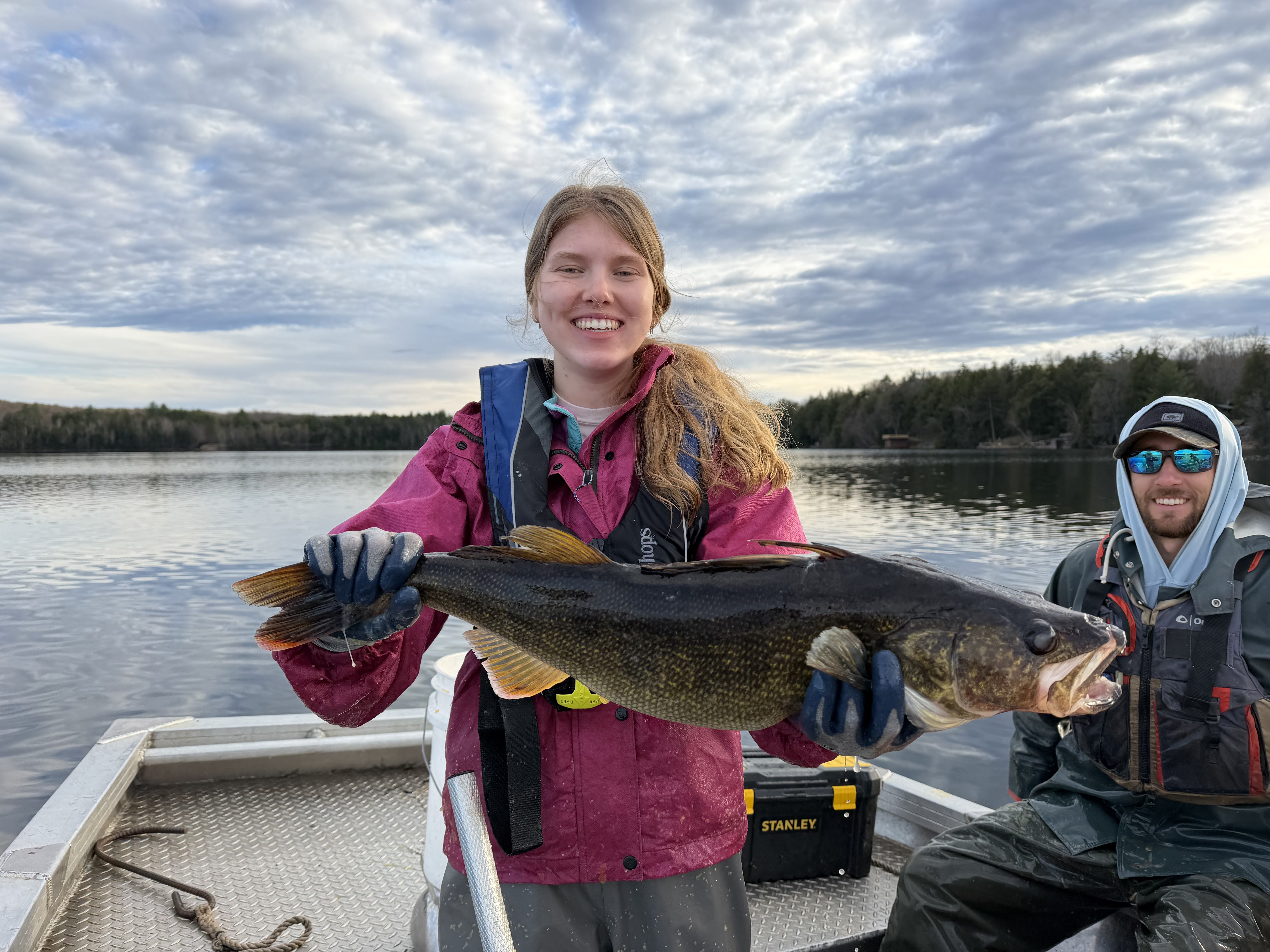
In Franklin, we captured 13.9 walleye/net night (8 nets, two nights) and the average length was 19.4" (max 27.8"). We electrofished one night on Franklin and caught 74 smallmouth bass with an average length of ~16.4" (max 19.4") and 7 largemouth bass (max 21.3").
Forage 2026: Yellow Perch, Panfish, Minnows
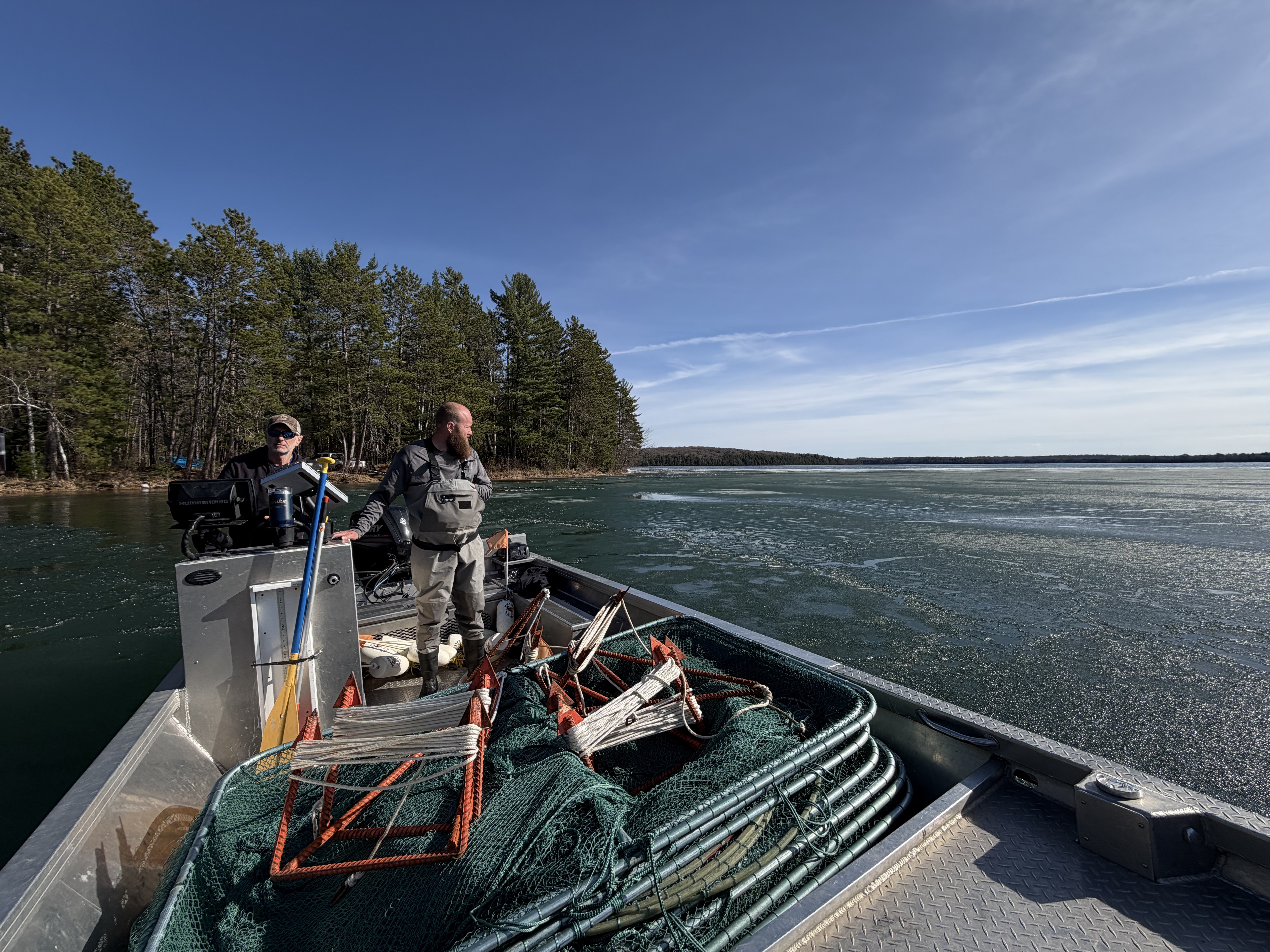
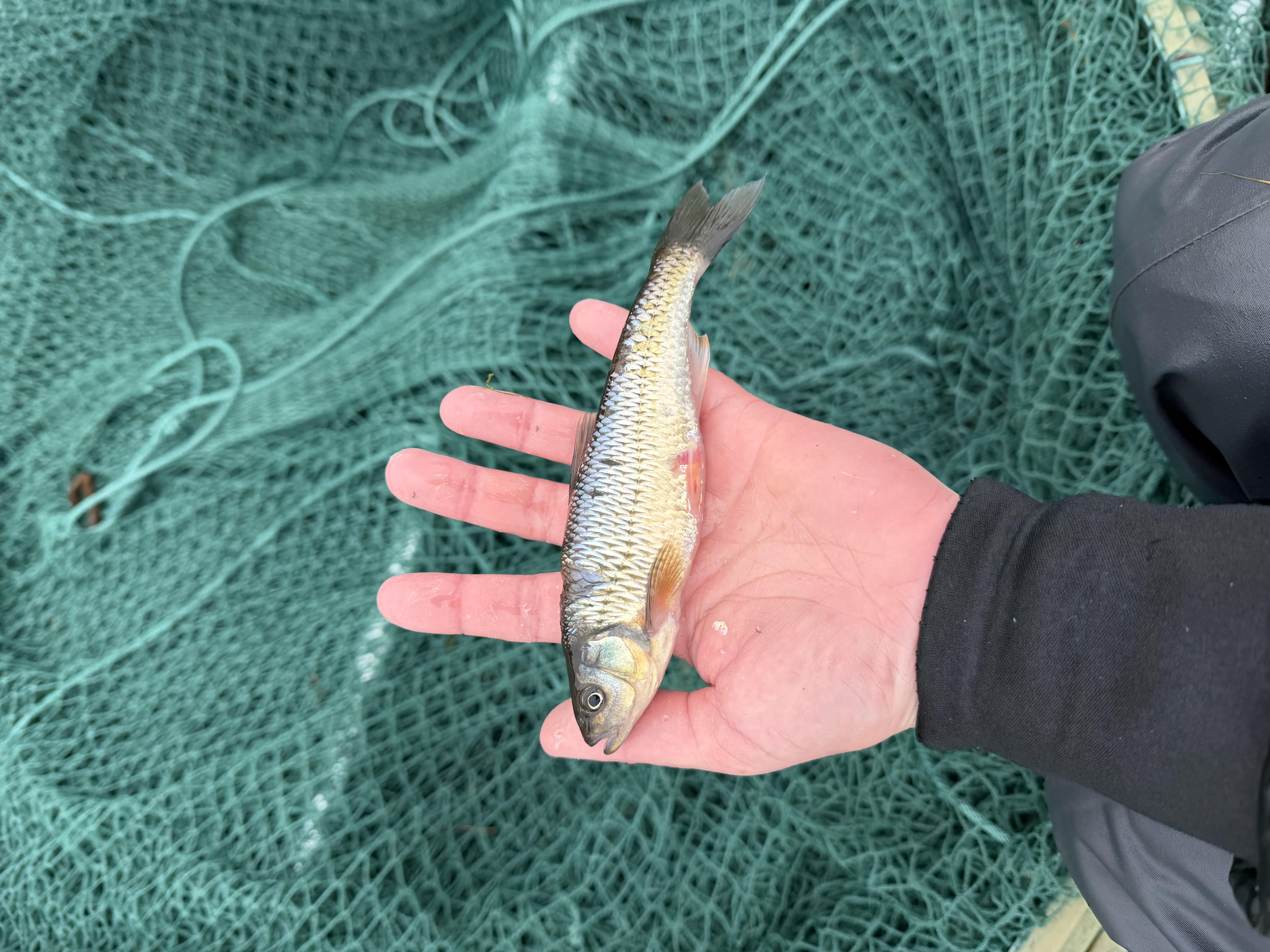
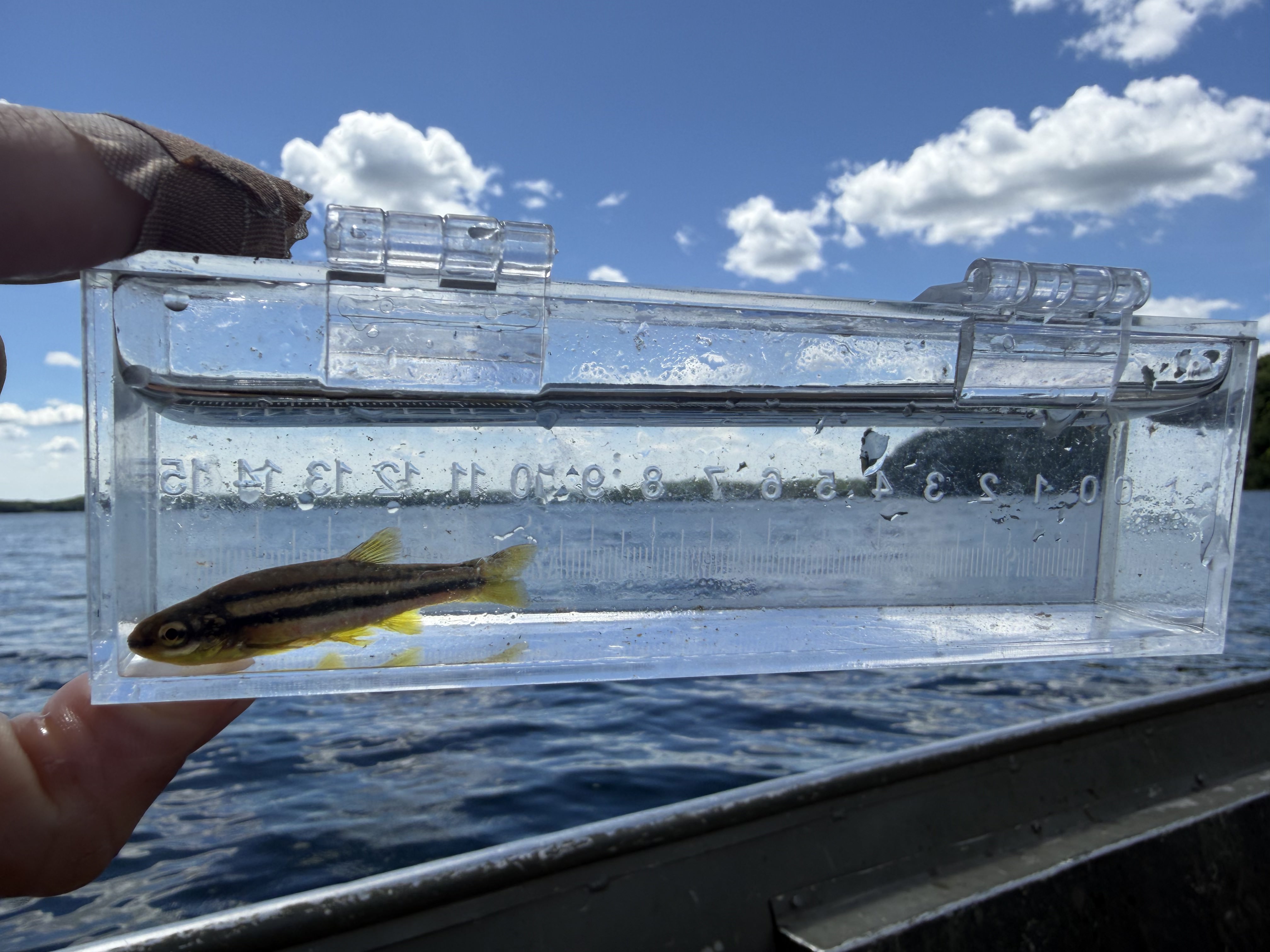
We conducted electrofishing for yellow perch for multiple weeks in early May on both lakes. We did not find many perch > 6", and were unable to estimate the adult population. We conducted panfish netting in early June on both lakes to estimate the relative abundance of panfish. We used the same type of fyke net as in our sportfish survey, but with a smaller mesh size to catch smaller fish. Yellow perch were most abundant, but were small (average length Franklin-3.1", Butternut- 3.5"). Bluegill were abundant; rock bass were in moderate abundance; pumpkinseed had the lowest relative abundance. We observed few panfish > 6" in either lake. Both lakes appear to have an abundance of small fish across a variety of species that likely serve as a food base for fish like walleye, bass, and pike.
Other Work
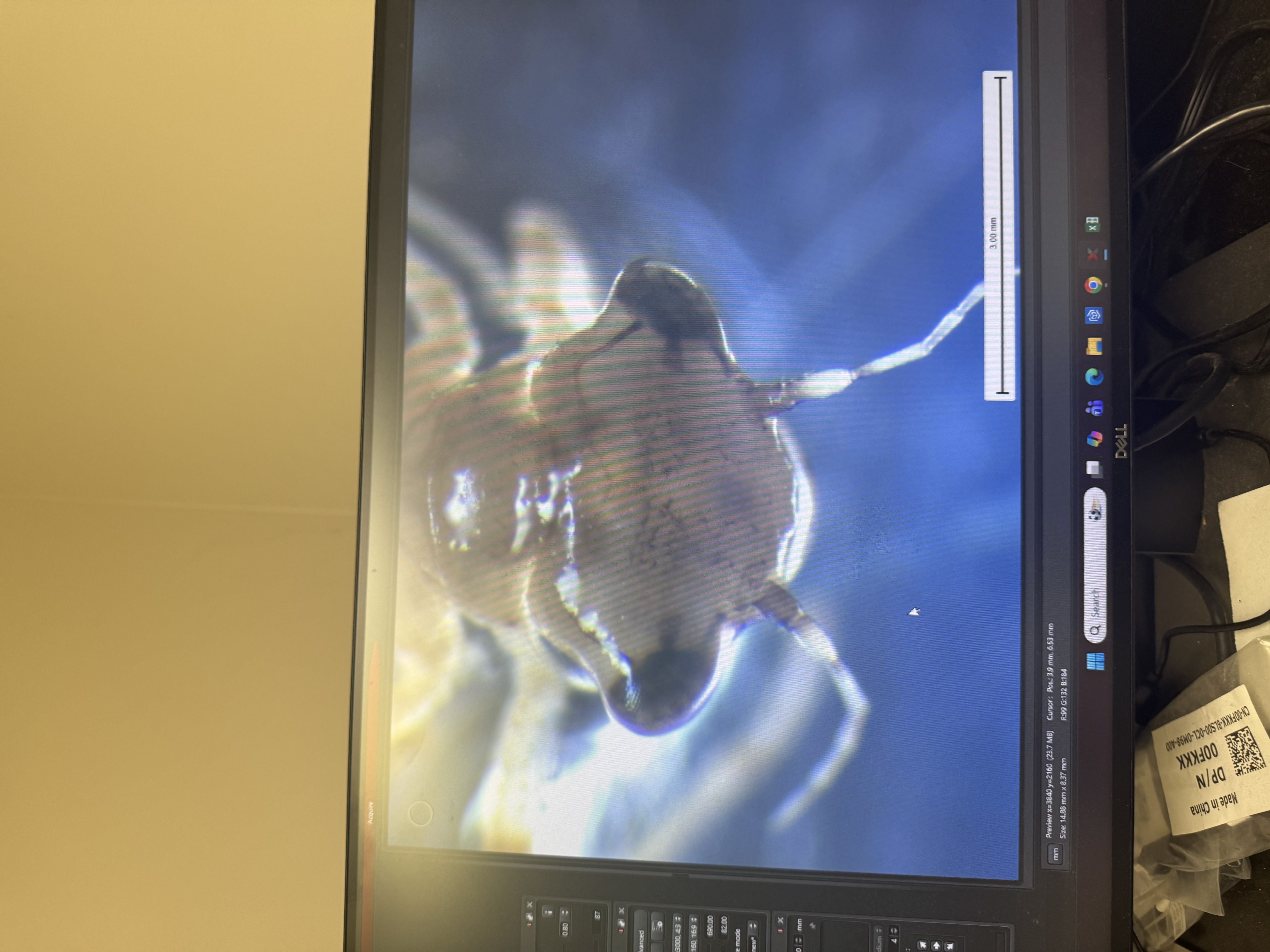
We have been conducting biweekly water quality (e.g., temperature, oxygen, chlorophyl-a,) and zooplankton (microscopic animals) sampling on both lakes in conjunction with the other sampling being done by CLMN volunteers. We have also been collecting benthic macroinvertebrates (aquatic bugs) each month by kicknetting in the substrate. We are interested in understanding how the availability of forage on these lower trophic levels may impact the interactions of fish in both lakes, and how invasive species like rusty crayfish and spiny water flea interact with the aquatic community.