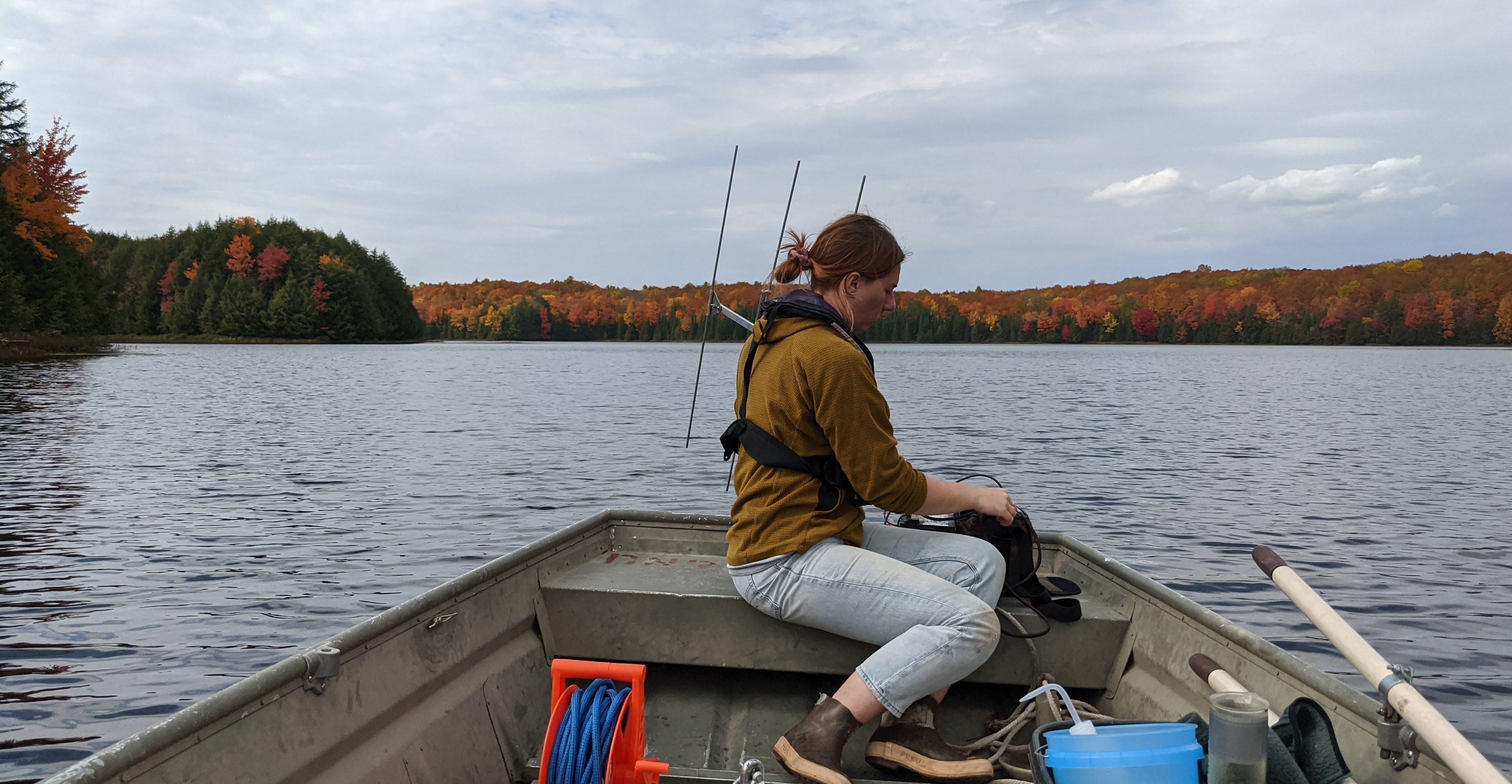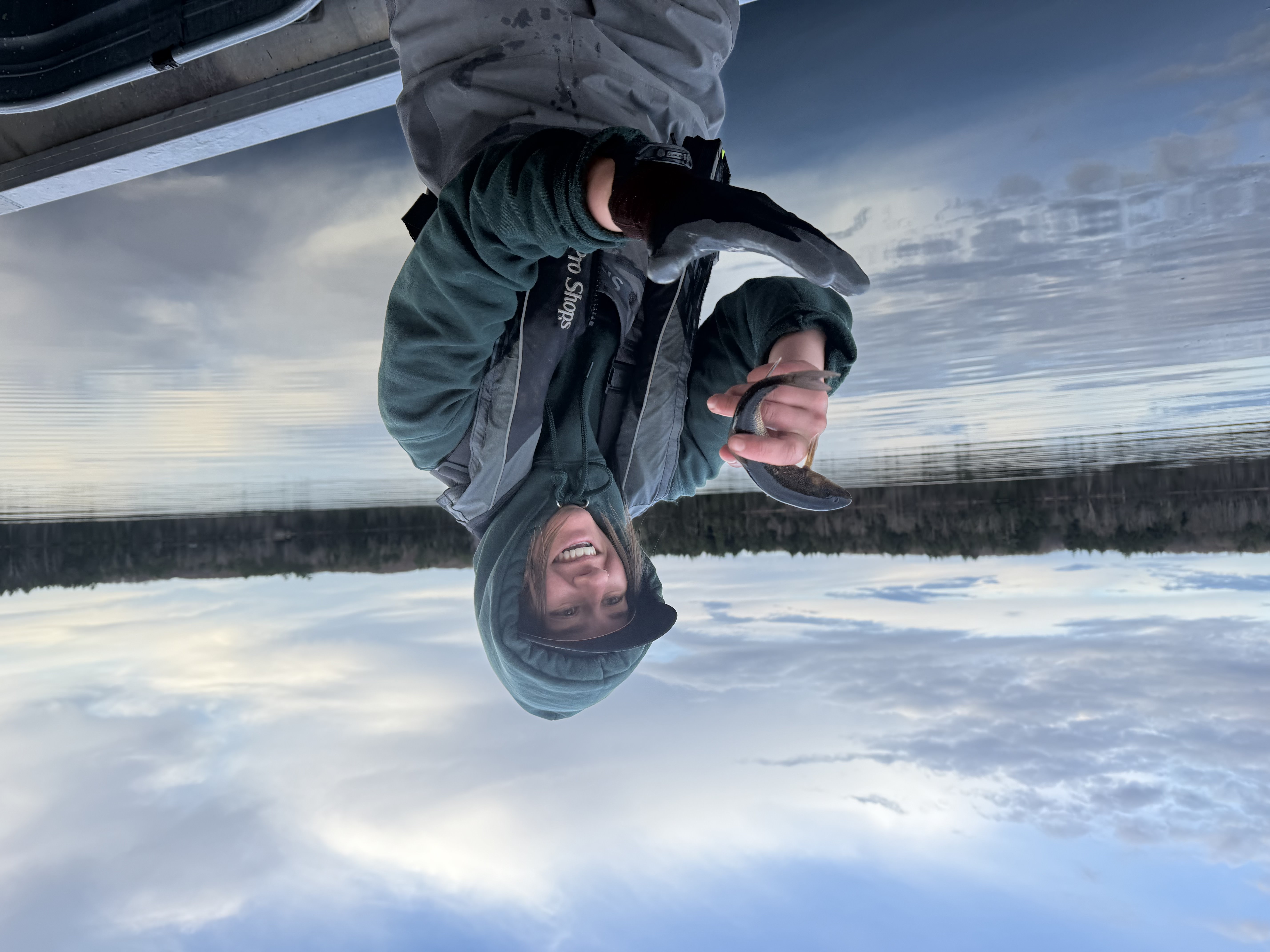
My Ethos We live in a diverse world facing a multitude of stressors. “Death by a thousand cuts” is a common paradigm, but it can be difficult to resolve managment concerns when we are lacking a whole-ecosystem perspective of mechanistic drivers of fish declines. Expanding the toolset available to managers to include habitat and forage angles can inform why traditional rehab metrics may be less successful.
The historical management of natural and cultural resources has not typically involved true integration of tribal and non-tribal partners in the decision making process. Compartmentalization is common, which can lead to inefficiencies and mistrust in a system which desperately requires collaboration and reciprocal relationships. Regardless of the research or management topic, it is vital to prioritize reciprocity and acknowledgment of historical inequities among tribal nations and the organisms themselves.
Forage and Non-game Species
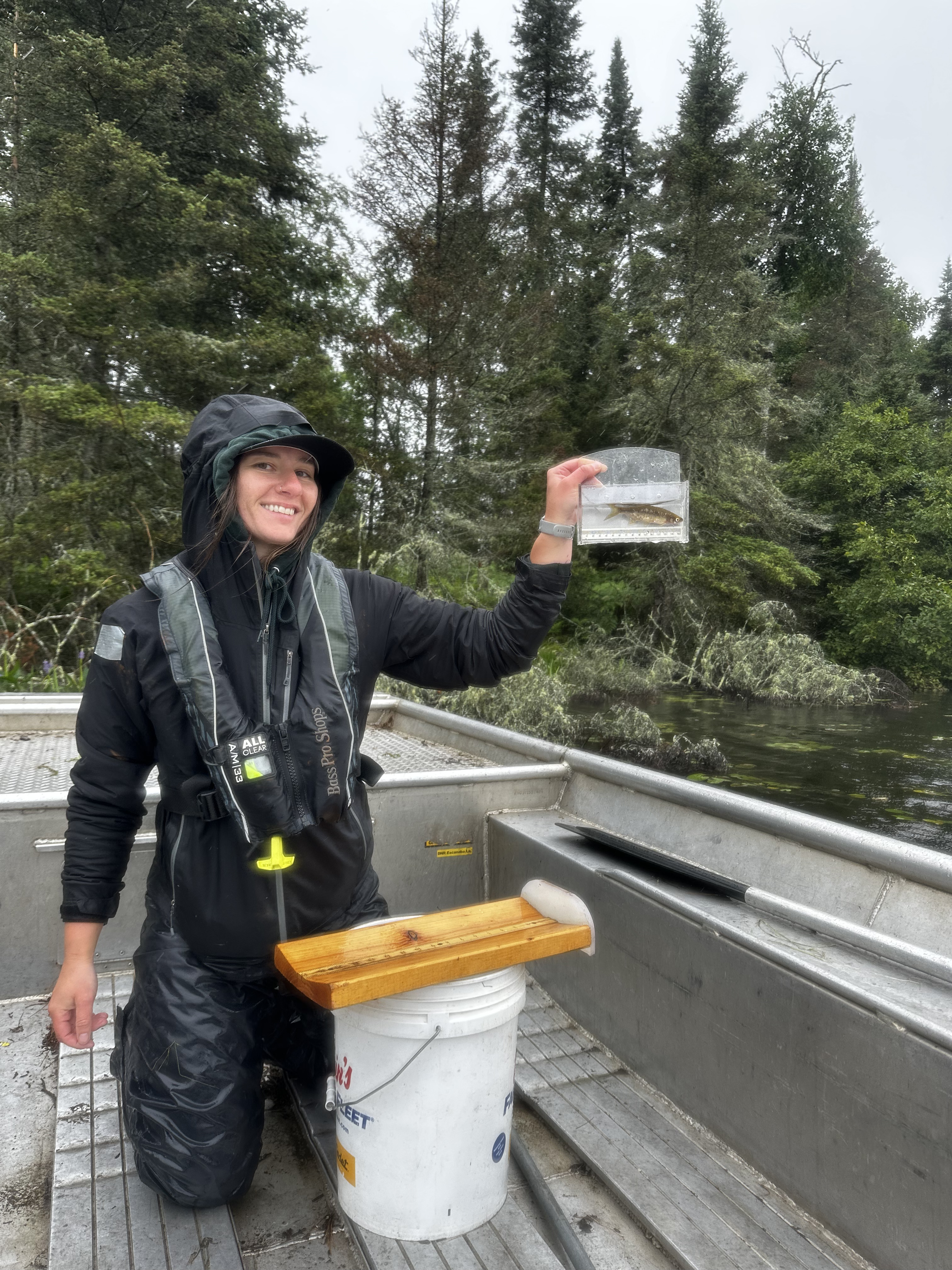
The consideration of forage/non-game species and habitat is often neglected in fisheries management due to budget & time constraints. However, an understanding of ecosystem limitations is key to resolving potential fishery declines. Our current top-down (gamefish focused) paradigm is good for keeping tabs on popular sportfish but is limited in understanding mechanistic reasons for observed declines. We are currently studying the factors influencing Yellow Perch year class strength using the long term NHFRA dataset. We are also conducting novel surveys to investigate capture efficiency for forage fish and evaluate availability for Walleye through ontogeny.
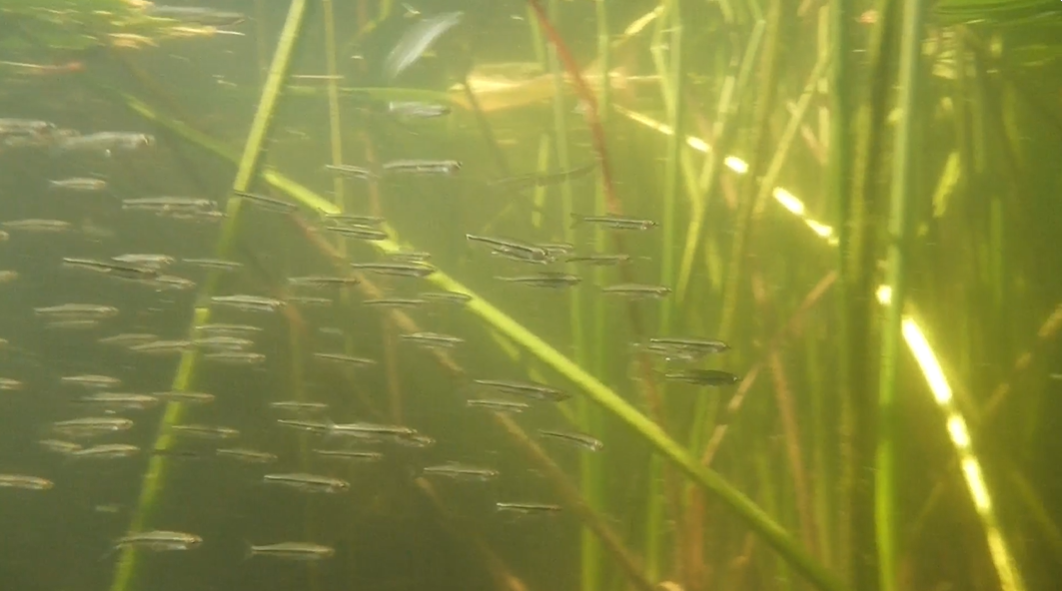
Interactions among fish and macrophyte communities
I am interested in understanding the interactions and feedback loops among fish communities and aquatic macrophyte communities. Specific fish species may have an affinity for one species of plant over another even within the same functional guild, and I am curious as to why. As climate change induces changes in our aquatic communities, it is important to understand the mechanisms underlying changes so we can attempt to predict trajectories of different systems.
Fish Community Rehabilitation
Fish restoration work in Northern Wisconsin is largely focused on single-species efforts to restore declining populations of Walleye. Walleye are declining for a multitude of reasons, which continue to become more complex and difficult to resolve. We are researching novel walleye rehabilitation methods which incorporate multiple strategies and are underpinned with strong collaboration across tribal, state, and federal agencies.